The Terraces Themselves
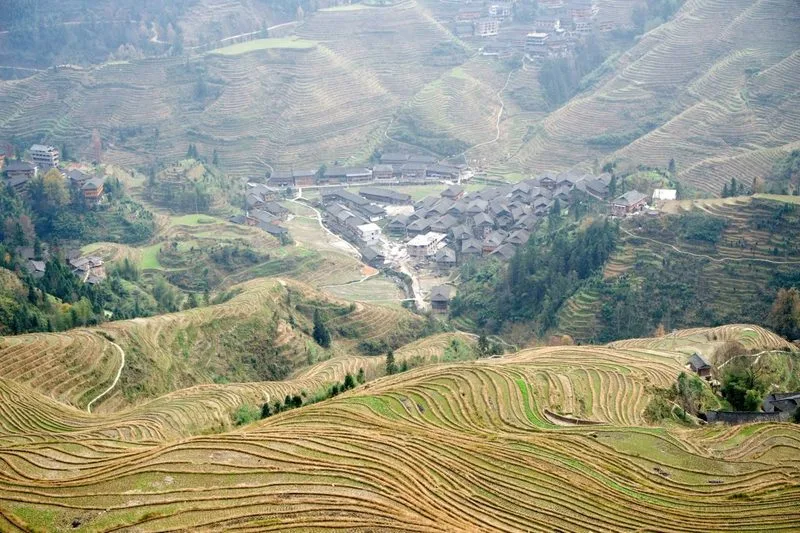
龙脊梯田 · Hand-carved
Ribbons of field climbing the mountainside — a 650-year-old landscape still farmed by Zhuang and Yao families.
龙脊 · Stairways to the Sky
A 650-year-old masterpiece carved into the mountains — ribbons of rice terraces spiraling up slopes above 1,000 meters. In May–June they mirror the sky with water; in September–October they turn to liquid gold.
At a glance
Longji Rice Terraces (龙脊) — “Dragon’s Backbone” — are a network of terraced fields built by Zhuang and Yao minorities over 650 years, about 100 km (2.5–3 hours) from Guilin. The highest fields sit above 1,100 m. Two main areas draw visitors: Ping’an (Zhuang) for the classic postcard curves, and Jinkeng Red Yao for vast terraces and sunrise sea-of-clouds.
Imagine a mountainside combed into ribbons of water and rice, climbing so high they seem to touch the clouds. That’s Longji. Local Zhuang and Yao farmers began carving these terraces in the Yuan dynasty and finished them over centuries — an engineering feat done entirely by hand, still farmed the same way today.
There are two headline areas. Ping’an Village (平安寨) has the iconic “Seven Stars with the Moon” and “Nine Dragons and Five Tigers” viewpoints — the curves you’ve seen on every China calendar. Jinkeng Dazhai (金坑大寨), home to the Red Yao people, is bigger and higher, famous for sunrise “sea of clouds” and a cable car if you’d rather not hike.
Quick tip: the terraces look completely different by season. Go in May–June for mirror-like flooded fields, or late September–October for the golden harvest. Avoid mid-summer (hot, muddy) and deep winter (cold, sometimes frost).
The signature sights and experiences that make Longji Rice Terraces special.
龙脊梯田 · Hand-carved
Ribbons of field climbing the mountainside — a 650-year-old landscape still farmed by Zhuang and Yao families.
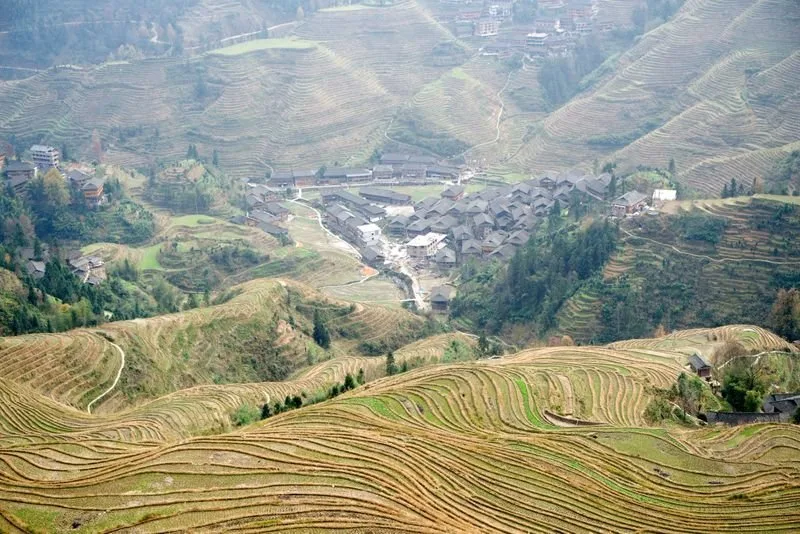
梯田四季 · Year-round
The same layered hillsides in a different season: flooded silver in spring, lush green in summer, or gold in autumn.
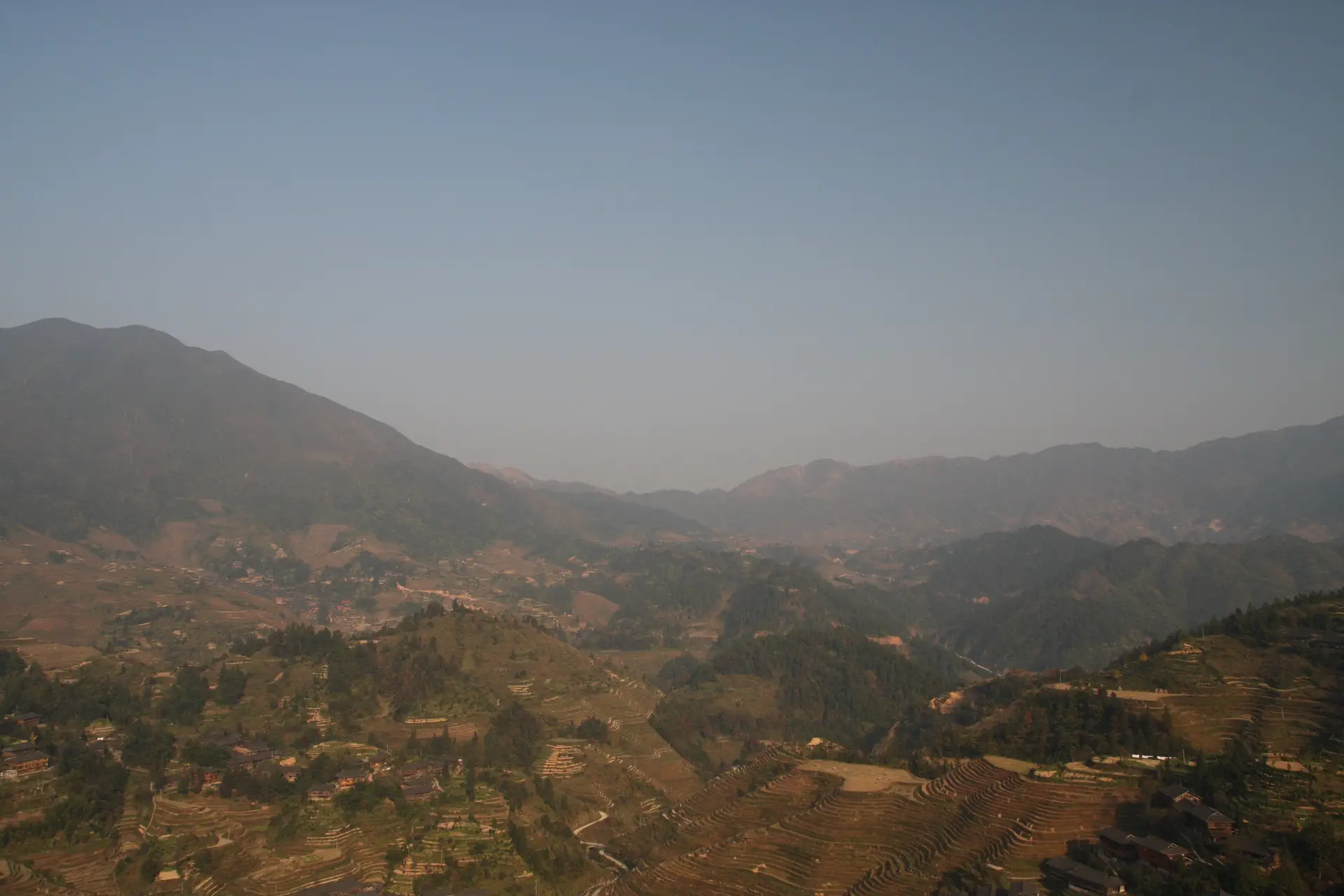
金坑大寨 · Sea of clouds
The higher Jinkeng area offers vast terraces and famous sunrise sea-of-clouds views above Red Yao villages.
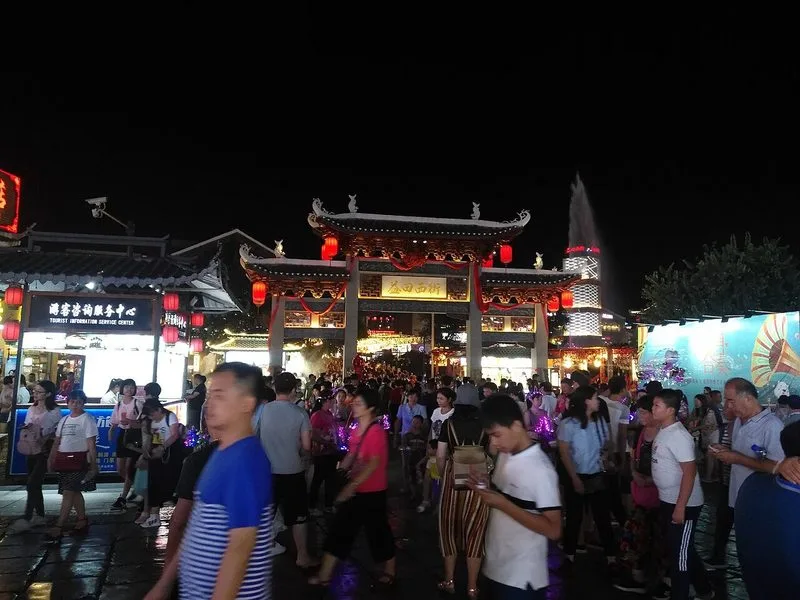
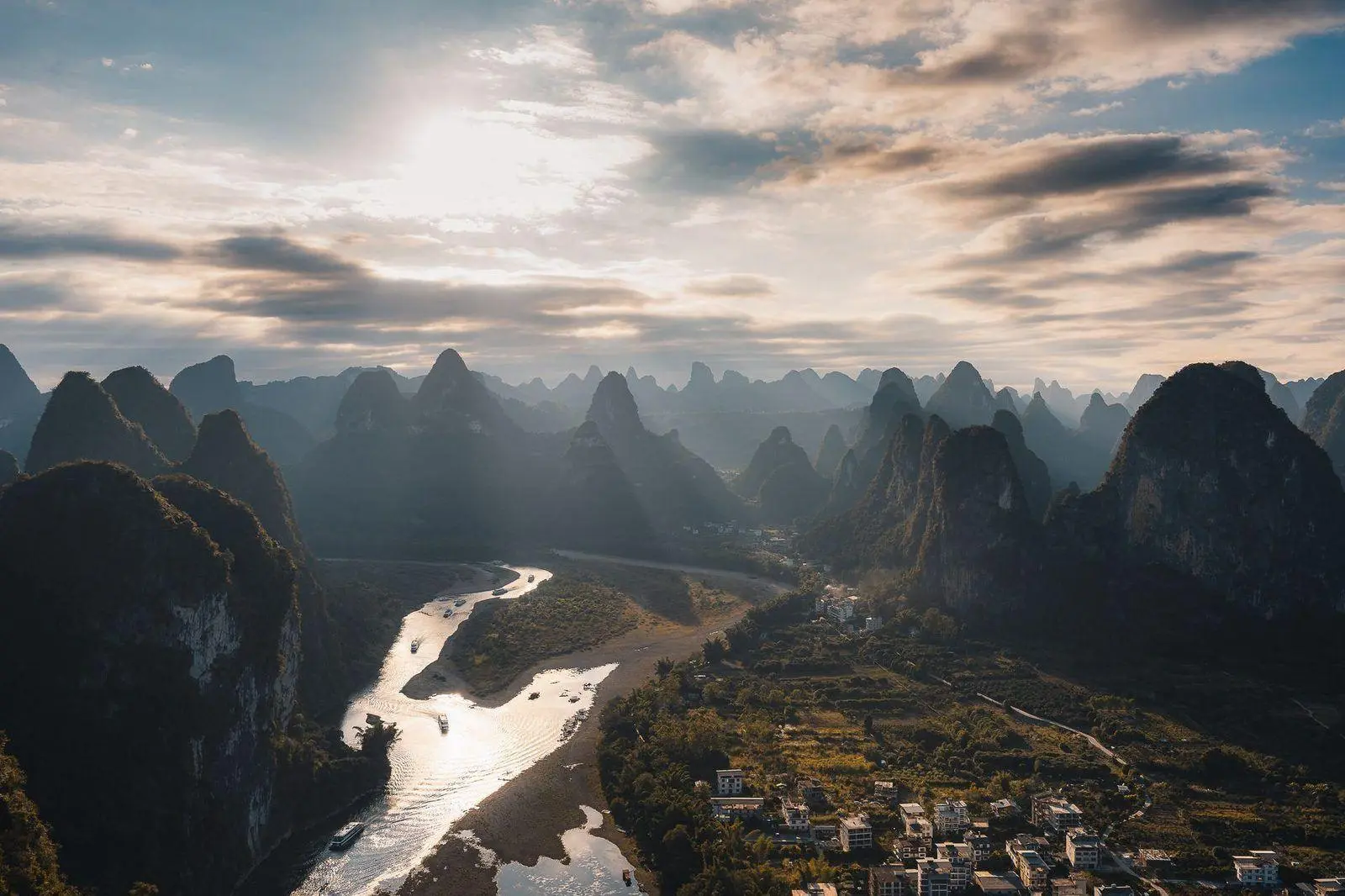
阳朔田园 · Combine with Longji
Many travelers pair the terraces with Yangshuo’s karst peaks in the same trip.
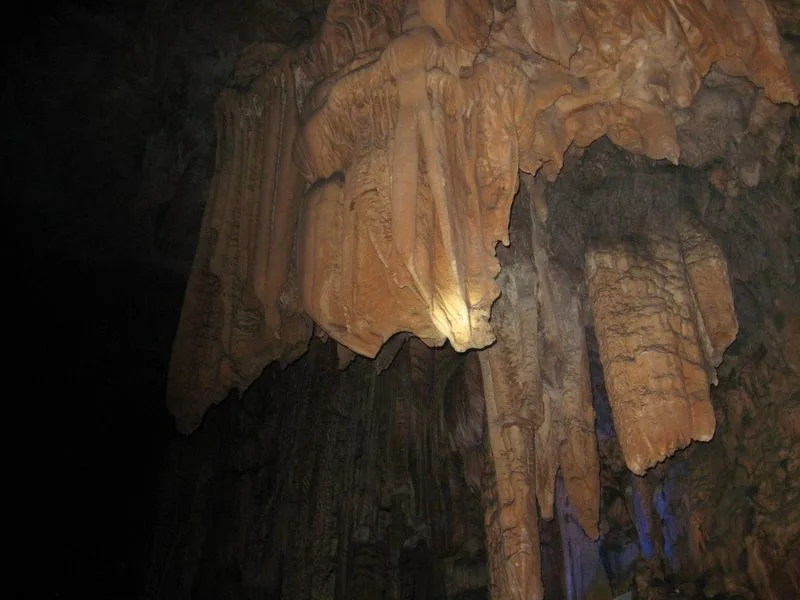
芦笛岩 · On the way back
A cool Guilin cave visit fits neatly on the return drive from Longji.
Ways to experience Longji Rice Terraces, from the classic route to a quicker highlight.
Half–full day · 2.5 h from Guilin
Drive from Guilin Private car or tour bus, about 2.5–3 hours.
Hike to Seven Stars viewpoint A 30–45 min paved climb with the famous curved terraces.
Walk to Nine Dragons A second viewpoint 20 min away; flat between them.
Return via the village Browse Yao handicrafts and try a farm lunch.
Full day · cable car option
Ride the cable car Or hike 1.5–2 h up to the Golden Buddha Peak viewpoint.
Watch the sunrise Stay in a guesthouse to catch the sea of clouds at dawn.
Explore Red Yao hamlets Lower slopes have traditional wooden stilt houses.
May – Jun
Flooded terraces mirror the sky — silvery, calm, fewer crowds than autumn.
Late Sep – Oct
Golden harvest — the postcard view, but the busiest and priciest time.
Avoid Jul–Aug
Hot, humid, and muddy underfoot; winter is cold but peaceful if you don’t mind frost.
Start before 6 AM for sunrise
The famous sea-of-clouds shots need you at the viewpoint before dawn. Stay in a village guesthouse.
Pack layers
At 1,000+ m it’s 5–10°C cooler than Guilin, and mornings are cold even in spring.
Bring a zoom lens
The terrace curves and distant peaks reward a telephoto; drones are restricted near villages.
Eat a farm lunch
Village guesthouses serve simple, delicious Zhuang/Yao home cooking — bamboo rice, free-range chicken.
Wear grippy shoes
Stone paths are steep and slick after rain. Skip sandals.
By tour / private car Easiest for foreign visitors: about 2.5–3 h from Guilin, door to viewpoint.
By long-distance bus Guilin bus station has direct buses to Longsheng (¥50–60, ~3 h), then a local shuttle up to the terraces.
Stay overnight Guesthouses in Ping’an or Jinkeng put sunrise viewpoints within walking distance.
Cable car at Jinkeng Saves the climb if you’d rather not hike; runs during daylight hours.
| Item | Detail |
|---|---|
| Entrance ticket | ¥80–95 — covers the terrace areas |
| Jinkeng cable car | ¥55–100 one way (optional) |
| From Guilin | 2.5–3 hours by car |
| Best months | May–Jun · Late Sep–Oct |
| Elevation | up to ~1,100 m |
| Suggested stay | 1 night for sunrise |
One ticket covers the terrace scenic areas. The cable car at Jinkeng is separate. Prices rise during the October golden-rice peak. Book village guesthouses ahead in harvest season.
Gallery
Good to know
Two windows: May–June, when the fields are flooded and mirror the sky (quiet, silvery), and late September–October, when the rice turns gold (the classic postcard, but busy and pricier). Avoid midsummer heat and deep winter cold.
Ping’an has the iconic curved terraces and is more compact; Jinkeng is larger, higher, and has the cable car plus the best sea-of-clouds sunrises. Many tours do both. First-timers often prefer Ping’an for the famous viewpoints.
The main viewpoints are 30–45 min paved climbs from the village. At Jinkeng you can take a cable car instead. Paths are steep and slick after rain, so wear grippy shoes.
Yes, and you should if you want sunrise. Wooden guesthouses in both Ping’an and Jinkeng put the viewpoints within walking distance and serve hearty local food.
About 100 km, roughly 2.5–3 hours by car or tour bus. A private car or guided day trip is the easiest option for foreign visitors.
The Red Yao are one of the ethnic groups who built and farm the terraces. Their women are known for extraordinarily long hair and red embroidery; visiting a village adds a cultural layer beyond the views.